


Appreciating The Unconscious Mind
In this article, we explore how the unconscious mind acts like a hidden operating system, running outdated emotional “code” written during earlier life experiences. These patterned, automatic responses aren’t irrational. They were once adaptive but now often create emotional reactions that don’t match our current reality.

3-Pillar Path To Emotional Fitness: Pillar 3 - Self-Empowerment
In this article, we explore why true emotional freedom doesn’t come from managing distress, it comes from reclaiming your power to change it. Many people feel stuck not because they’re broken, but because they’ve internalized the belief that things can’t be different. That belief shapes what they attempt, how they respond, and ultimately, what they allow themselves to become.

3-Pillar Path To Emotional Fitness: Pillar 2 - Habitual Practice
In this article, we explore why emotional fitness isn’t built through occasional breakthroughs or short bursts of effort, it’s built through habit. Just like physical strength comes from consistent training, emotional strength comes from showing up for yourself daily, even in small ways. Without consistency, progress stalls and past patterns quietly reclaim their place.

3-Pillar Path To Emotional Fitness: Pillar 1 - Untriggering Yourself
In this article, we explore why building emotional fitness isn’t just about learning to cope, but about healing the emotional injuries that keep us stuck. Just like physical pain limits movement, unresolved emotional triggers limit how we show up in life. You may be doing the work, but if you’re compensating for unhealed distress, progress will always have a ceiling.

What Is Emotional Fitness Part 5: Serenity
This article explores why serenity isn’t about avoiding emotions or ignoring challenges, but about responding to reality without being overwhelmed. The more we try to control what’s beyond our reach, the more we create unnecessary distress. We examine the psychological patterns that keep people stuck, including outdated emotional triggers, the victim mindset, and the false belief that distress is productive.

What is Emotional Fitness Part 4: Adaptability
In this article, we explore why adaptability isn’t just about keeping up with the world, it’s about keeping up with yourself. Life is constantly changing—our responsibilities, relationships, and even our own bodies demand that we grow alongside them. Yet, many people resist, clinging to outdated ways of thinking and behaving, only to find themselves frustrated, disconnected, and overwhelmed when change inevitably arrives.

What is Emotional Fitness Part 3: Resiliency
This article delves into resiliency as a crucial element of emotional fitness, highlighting its role in helping us face challenges, adapt to change, and grow stronger through adversity. It explores how avoidance, often rooted in unresolved trauma, creates cycles of fear and fragility that limit opportunities for growth and fulfillment.

What is Emotional Fitness Part 2: Positivity
In this article, we explore how positivity isn’t blind optimism but a choice to engage with life’s challenges constructively. Rather than reacting with frustration or resignation, we can reshape setbacks into opportunities for growth. Positivity is about adapting, taking action, and finding meaning in every experience.

What is Emotional Fitness Part 1: Vitality
In this article, we explore how vitality is the key to fully living rather than just going through the motions. Many people operate on autopilot, disconnected from the present and weighed down by stress, leading to stagnation and lack of fulfillment. Vitality, a core aspect of emotional fitness, fuels engagement, energy, and intentionality in daily life.

Emotional Fitness: Reclaiming Your Potential
In this article, we explore emotional fitness as a skill that, like physical fitness, can be strengthened through practice. While many assume emotional struggles are fixed traits, this mindset keeps them stuck in cycles of avoidance rather than growth. Emotional fitness challenges this belief, showing that resilience, adaptability, and confidence can be developed over time.

The Revolutionary Act of Being Your True Self
In this article, we explore authenticity as a deep, intentional process of self-discovery, not an excuse for unchecked behavior or rebellion. Many mistake “being themselves” for either conforming to expectations or reacting impulsively, but true authenticity is about uncovering a self that is connected, positive, and empowered.

Building Self-Trust: How Inner Alignment Leads to Better Choices
In this article, we explore how self-trust is the key to making choices that truly align with who we are. Many people find themselves repeating unhealthy patterns—choosing relationships, careers, or lifestyles that don’t serve them—because they are disconnected from their true selves.

Why Loving Yourself Matters: Transforming Your Relationship with You
In this article, we explore why self-love is essential to emotional well-being and how the way we treat ourselves shapes our lives. Many struggle with self-criticism, believing their worth must be earned, leading to a cycle of doubt and disconnection. But just as we love others unconditionally, we must learn to extend that same compassion to ourselves.

From Productivity to Purpose: Self-Actualization Starts with Knowing Yourself
In this article, we explore why true self-actualization doesn’t begin with productivity or performance; it begins with knowing yourself. For many, identity has been shaped by roles, responsibilities, and external expectations, leaving a sense of disconnection beneath even the most accomplished lives. When your worth is tied to what you do, the question of who you are gets lost.

When It’s Not Ok To Be Me: The Pain of Living With Low Self-Worth
In this article, we explore why the pursuit of perfection, praise, and performance often masks something deeper: a fragile sense of self-worth. Many people build impressive lives on the outside—careers, accomplishments, appearances—while also carrying the belief that who they are, at their core, isn’t enough. No matter how polished the surface, the unresolved pain underneath eventually seeps through.

Childhood Nurturing: The Foundation Of Emotional Fitness
In this article, we explore why emotional fitness begins with the earliest experiences of nurturing we receive as children. Much like a fragile seedling, a child’s emotional world depends on care, stability, and connection. When that nurturing is missing, the impact lingers as emotional imprints that shape how we experience safety, belonging, and self-worth for the rest of our lives.
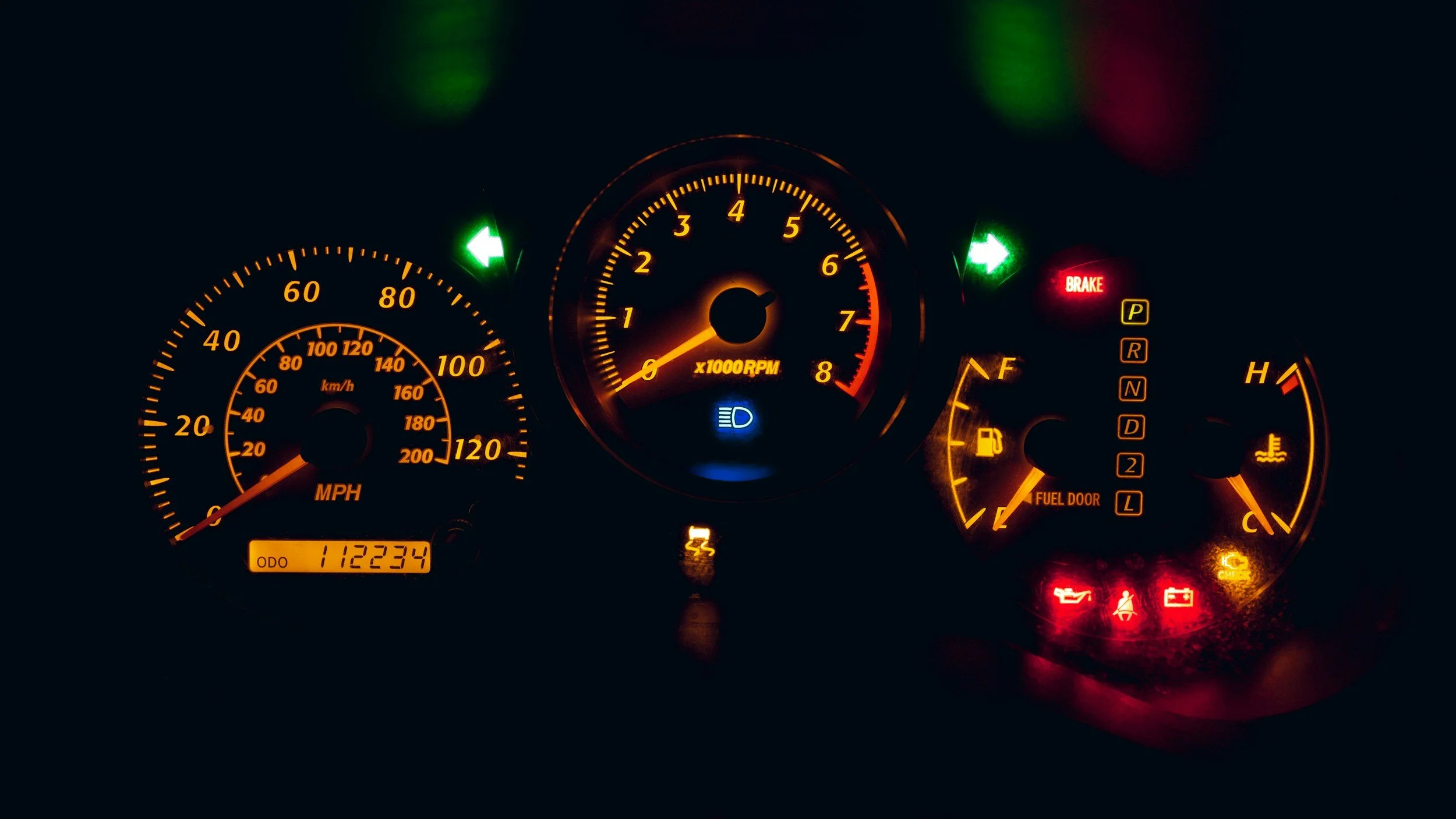
Emotional Distress: The Warning Lights of Well-Being
In this article, we explore why emotional distress isn’t a flaw or personal failing, but a signal to listen to. Much like the warning lights on a car’s dashboard, emotional discomfort tells us when something in our inner world is out of alignment. Whether it shows up as anxiety, depression, or general unease, distress is our mind’s way of saying, “Something here needs your attention.”

Stuck in the Past: How Outdated Triggered Responses Shape Our Lives
In this article, we explore how outdated triggered responses—emotional reactions rooted in past experiences—can dominate our present lives. While some triggers may seem irrational (like a fear of paper), every emotional response has a logical origin. These patterns, formed by past trauma or conditioned learning, are designed to protect us. But when they go unexamined or get out of date, they begin to limit us.